










What do our shoulders, lower backs and knees have in common? The answer: Each holds peripheral nerves which, when damaged or compressed, can lead to persistent pain. With the recent acquisition of Nalu Medical and the Nalu Neurostimulation System, Boston Scientific expands its pain management portfolio to offer an innovative treatment option for people living with chronic peripheral nerve pain.
Jim Cassidy, president of the Neuromodulation division within Boston Scientific, explains how this technology works, why it may address a significant unmet need and where he sees it going next.
What is the Nalu Neurostimulation System?
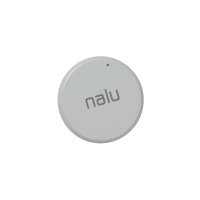
The Nalu Neurostimulation System is a nerve stimulation therapy for adults living with chronic pain originating from peripheral nerves. It works by delivering mild electrical pulses to specific nerves through a very small implanted device called a micro-IPG (implantable pulse generator), helping interrupt pain signals before they can get to the brain. The IPG is powered wirelessly by a small disc worn over the skin, and patients can control their therapy through a smartphone app.
The miniaturized, battery-free implant was designed to be less invasive than traditional systems, and its size really sets it apart.
How does the therapy complement our existing portfolio of products for chronic pain?
In chronic pain care, we’re seeing a shift toward more targeted, less invasive therapies. Clinicians are increasingly focused on identifying the specific pain source and addressing it directly.
Adding the Nalu system expands our portfolio with a targeted therapy for chronic peripheral nerve pain. Across our portfolio, we have therapies like radiofrequency ablation, spinal cord stimulation, the Intracept™ Procedure for vertebrogenic chronic low back pain, and now peripheral nerve stimulation. Together, these options give physicians more flexibility to tailor treatment to each patient’s needs.
Boston Scientific has been a strategic investor in Nalu for several years. What do you look for when deciding to invest in a company?
We’re always looking at emerging technologies that are complementary to what we already do but bring something meaningfully different. In some cases, that means investing early and getting to know the company and the technology as it develops.
With Nalu, what stood out right away was the level of miniaturization they were able to achieve. It’s a very small device with big potential and strong clinical evidence to support its use in treating peripheral nerve pain. But from the beginning we saw how it could complement our existing portfolio while also opening up new possibilities in peripheral nerve stimulation.
What are your initial hopes for growing this business and this technology?
We see growth coming from a few areas.
As I mentioned, what drew us to Nalu early on was the strength and potential of the technology. And now that’s supported by solid clinical evidence. Two randomized controlled trials support the technology, including sustained effectiveness through two years in one study. We plan to continue expanding that evidence base.
There’s also strong interest in this therapy across our global markets. Over time, we do plan to broaden access, with the combined support and expertise of the Nalu team and Boston Scientific’s Neuromodulation organization, and in close collaboration with clinicians and regulators.
Ultimately, pain of peripheral nerve origin is an area of significant unmet need, with many patients continuing to search for effective, durable treatment options. We’re encouraged by the potential to offer a minimally invasive option that may help reduce pain and enable people to enjoy more fulfilling lives.
Learn more about Boston Scientific’s innovative approaches to treating chronic pain.